
Queue Management Analytics: The Data Most Businesses Are Ignoring
In today’s hyper-competitive business environment, customer experience defines success. Organizations invest heavily in automation and digital transformation — yet many overlook one of the most powerful operational assets available: queue management analytics.
Every queue generates valuable data. Waiting times, service duration, arrival patterns, and customer behavior reveal operational inefficiencies. Businesses that leverage analytics gain visibility, optimize performance, and deliver better customer experiences.
Explore our Queue Management Solutions or request a demo.
Executive Summary
Queue management analytics transforms waiting lines into actionable insights. Modern platforms track customer flow, staff performance, and service efficiency to support smarter operational decisions.
What is Queue Management Analytics?
Queue management analytics refers to collecting and analyzing data generated during customer interactions within physical queues, virtual queues, or appointment systems.
- Customer arrival patterns
- Service durations
- Waiting times
- Staff productivity
- Peak traffic hours
- Abandonment rates
- Channel performance analytics
Why Businesses Ignore Queue Data
- Lack of awareness about analytics value
- Focus on basic KPIs only
- Legacy systems without advanced reporting
- Disconnected data silos
- Perceived implementation complexity
Hidden Costs of Poor Queue Analysis
- Lost customers due to long waiting times
- Inefficient staffing allocation
- Poor customer satisfaction scores
- Reduced productivity
- Missed revenue opportunities
Key Analytics Metrics Every Business Should Track
Average Wait Time
Measure waiting duration segmented by service type and peak hours.
Service Time
Identify inefficiencies and training gaps.
Queue Length
Monitor congestion levels in real-time.
Abandonment Rate
Track how many customers leave before service.
Peak Hour Analysis
Improve workforce scheduling using demand insights.
Real-Time vs Historical Analytics
Real-time analytics provides live visibility and alerts, while historical analytics supports forecasting, planning, and long-term optimization strategies.
How Queue Analytics Improves Customer Experience
- Reduced waiting times
- Better transparency through digital updates
- Personalized service using CRM integration
- Accurate wait-time predictions
Industry Use Cases
- Airports – check-in and security optimization
- Healthcare – patient flow management
- Banking – branch performance analytics
- Retail – checkout efficiency
- Government – public service optimization
Advanced Analytics Features
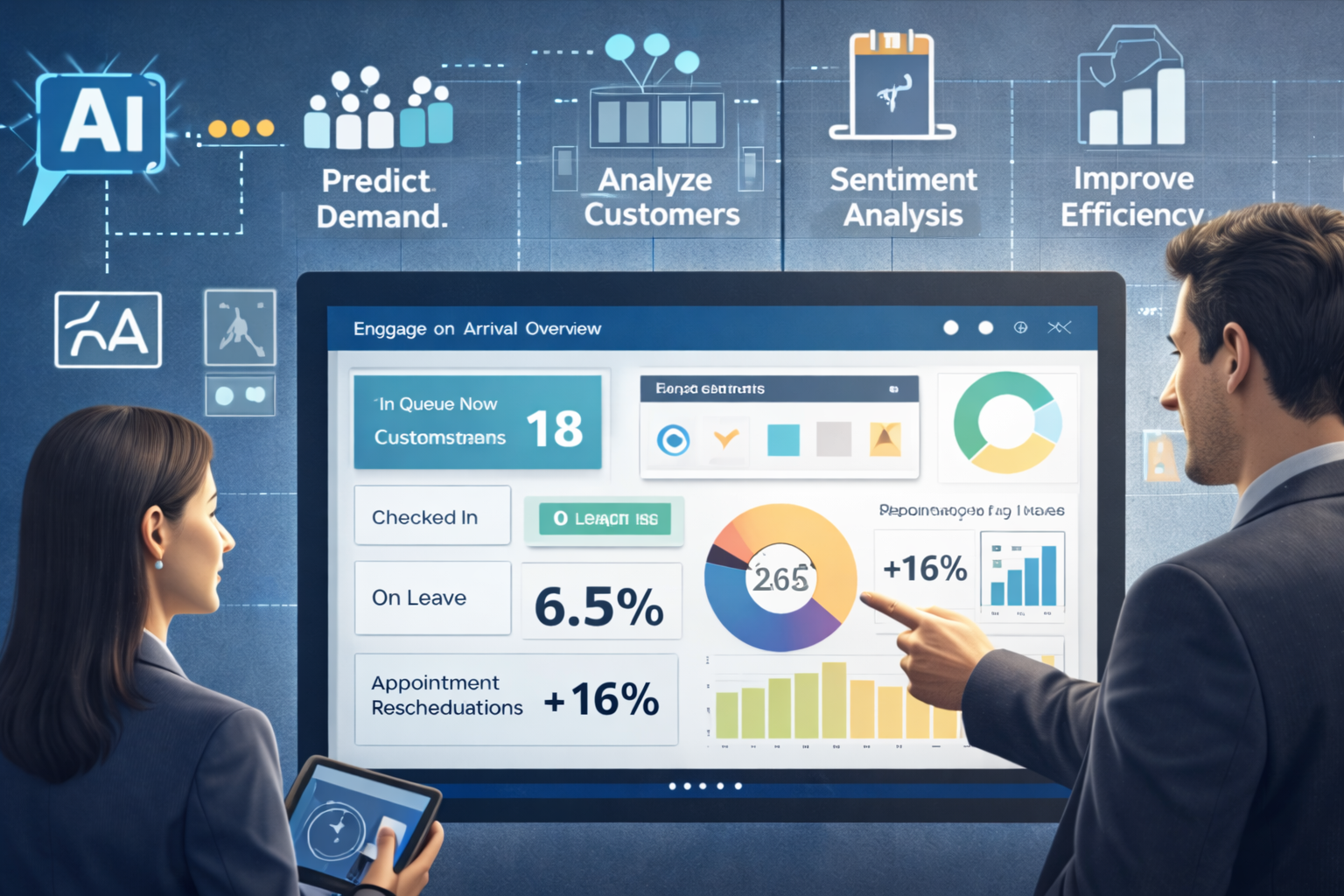
- Predictive analytics
- AI-powered insights
- Sentiment analysis
- Omnichannel queue analytics
Implementation Strategy
- Define clear business goals
- Select analytics-ready queue platform
- Train staff
- Monitor KPIs continuously
- Use data-driven decision making
Future Trends
- AI demand forecasting
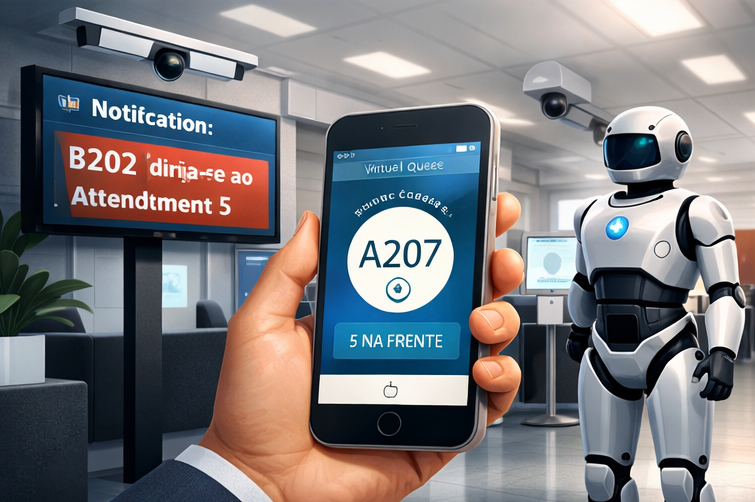
- Mobile virtual queues
- IoT-based monitoring
- Hyper-personalized customer journeys
Conclusion
Queue management analytics transforms operations from reactive to proactive. Businesses that leverage data insights reduce waiting times, improve efficiency, and deliver superior customer experiences.